

Biography of Daniel Day-Lewis (2026): Mastery of Method Acting, Eight Years of Silence, and Anemone’s Modest Return.
Daniel Day-Lewis has always worked at a self-defined pace. He is the first actor to have won three Best Actor awards from the Academy of Motion Picture Arts and Sciences. His career has been defined by the way he builds each role through immersion, and then takes an extended period before moving onto another project. After Phantom Thread, Day-Lewis announced that he would be retiring from acting, and gave no indication that he would ever again take on a role.
This was an unequivocal announcement, and Day-Lewis has respected this decision for the past eight years. There were no cameo appearances, no interviews, or any explanation given for why he had chosen to retire from acting beyond his original announcement. Then, in 2025, Anemone: a low-key dramatic film about a man struggling with mental illness, written and directed by Day-Lewis’ son Ronan Day-Lewis, with Day-Lewis starring as the lead, was released. Anemone received a very limited theatrical release in October 2025 and received some positive reviews for both its restraint, and Day-Lewis’s ability to still demonstrate great intensity as an actor.
As we move into January 2026, Day-Lewis has again largely retreated back into obscurity. Anemone was not the beginning of Day-Lewis returning to acting, it was an exception made because of the trust Day-Lewis placed in his son, and not as a result of him deciding to begin a new phase of his career.
At 68 years old, Day-Lewis continues to remain the same person who took an apprenticeship as a shoe maker in Italy: secretive, exacting, and willing to allow the silence speak for itself when he could otherwise have spoken.
A childhood spent surrounded by words and restraint
Daniel Michael Blake Day-Lewis was born 29 April 1957, in Greenwich, London. His father Cecil Day-Lewis had been appointed Poet Laureate in 1968 — until his death in 1972. His mother Jill Balcon, was an Anglo-Irish actor. Literature permeated their lives — poetry read aloud during meals, and books everywhere, but not a single book ever dominated the space. It was discipline and precision above all else.
He attended Bedales School, a progressive school located in Hampshire, England. After completing his studies there, he attended the Bristol Old Vic Theatre School for training. In the early days of his career, Day-Lewis appeared in regional theatres and smaller television roles. His first film appearance was a minor one — without credits — in “Sunday Bloody Sunday” (1971). However, by the 1980’s he was beginning to appear in larger films: as a British colonel in “Gandhi” (1982), and as Fletcher Christian in “The Bounty” (1984), opposite Anthony Hopkins. He continued to choose roles which required him to be transformed into a character, rather than merely being present on screen.
The Day Lewis method is based on the idea that actors must be completely immersed in their character’s world, a process that can take a toll on the actor’s own life. In order to portray Christy Brown in “My Left Foot” (1989), Day Lewis was confined to a wheelchair for the entire shooting schedule, learned how to paint using his feet, and developed the ability to type with his feet, and ultimately won an Academy Award for his efforts.
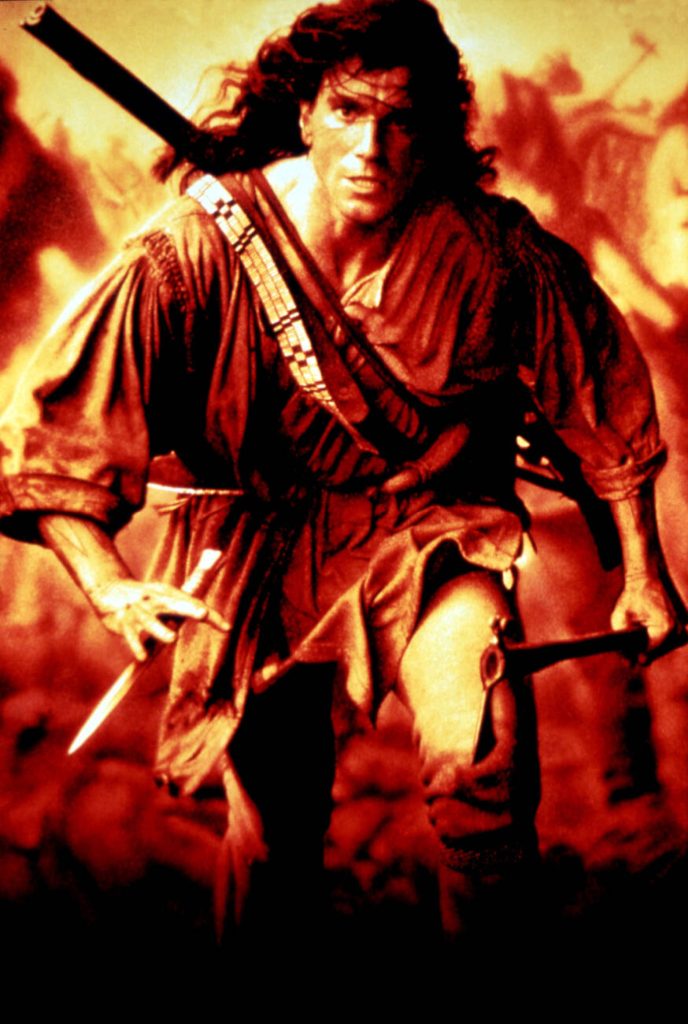
To prepare for his role as Hawkeye Fincher in “The Last of the Mohicans” (1992), Day Lewis lived off the land in the wilderness, learned how to survive using methods typical to the time period, ate food consistent with the era, and adopted the accent and dialect of the people living during the time period.
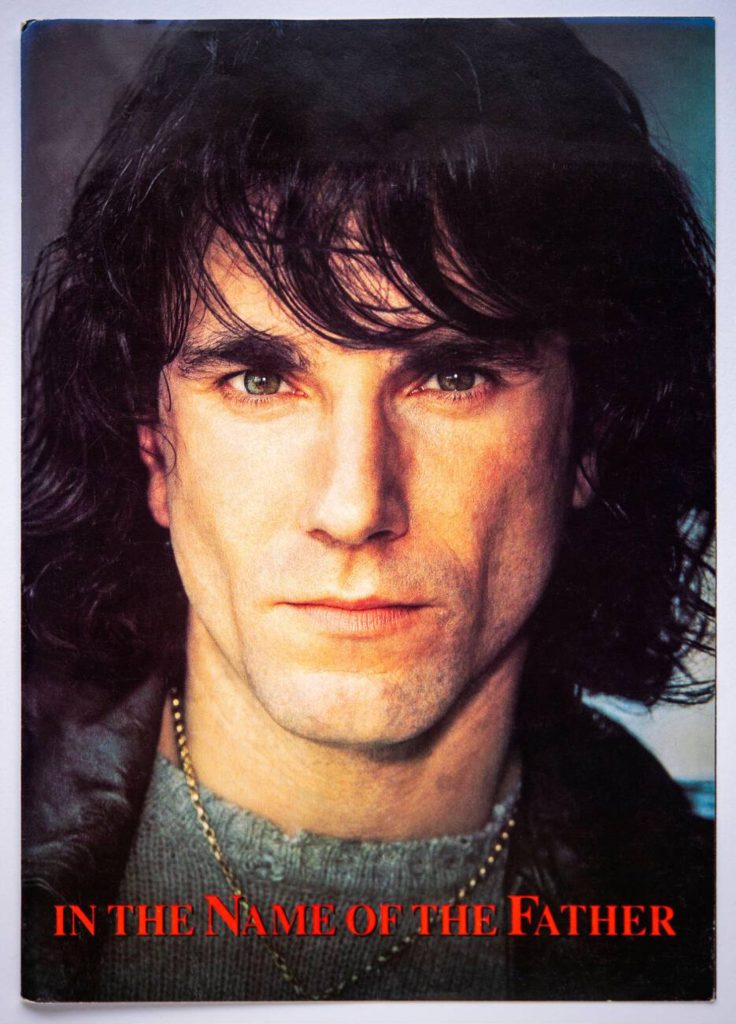
- To prepare for his role as Gerry Conlon in “In the Name of the Father” (1993), Day Lewis lost weight and spent many nights sleeping on the prison floor in order to gain a true understanding of what it would be like to be wrongly convicted of a crime.
- As for his roles in “There Will Be Blood” (2007) and “Lincoln,” (2012) Day Lewis spent months developing the voices, postures, and mannerisms of the people he portrayed in the films, and earned his second and third Academy Awards for those performances.
Between those two films he had extended periods of time away from acting. After The Boxer (1997) he took a few years in Florence to apprentice as a shoemaker. Then there was a lengthy absence after Gangs of New York (2002). The space between each film wasn’t pretentious — it was an essential element for maintaining the integrity of his body of work. His collaboration with Paul Thomas Anderson on There Will Be Blood (2007) and Phantom Thread (2017) represent the culmination of his method. On Phantom Thread he played the couturier Reynolds Woodcock who delivered a performance of tightly wound precision that some interpreted as his final performance. His June 2017 announcement that he would be retiring was characteristically brief — no fanfare or regrets expressed at the time.
The 2025 Return: Anemone and Family as Catalyst
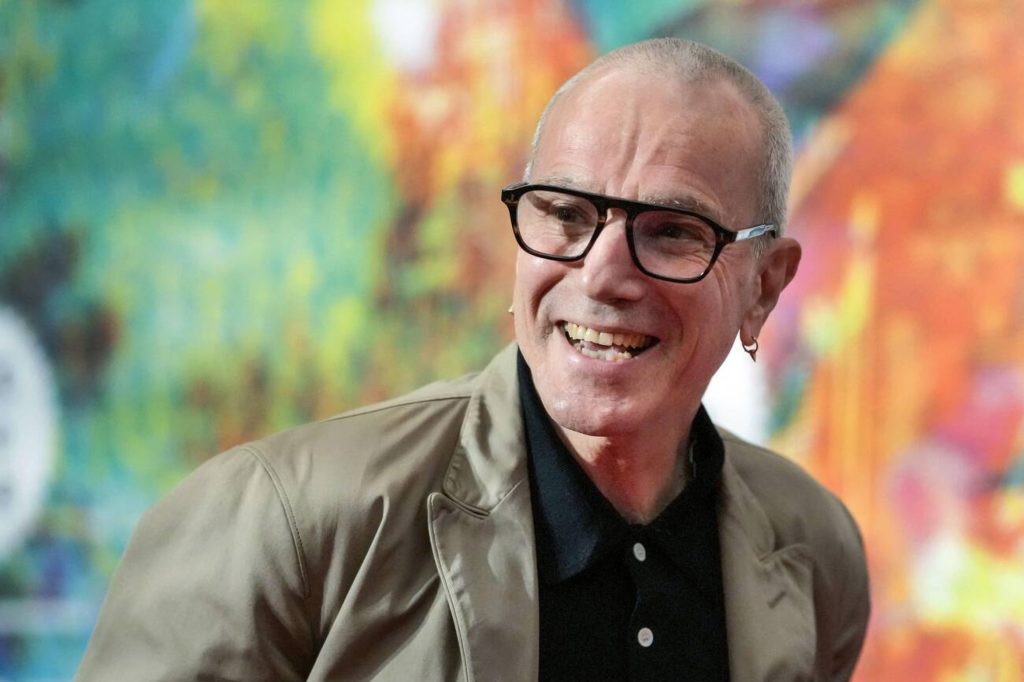
It was eight years of silence. And then Ronan Day-Lewis, his son with filmmaker Rebecca Miller, came up to him with Anemone: a screenplay written by father and son, a psychological drama about a man who has retreated from the world in self-imposed exile, struggling with guilt, abandonment and estrangement from family.
With Sean Bean and Samantha Morton, the film opened at the New York Film Festival in September 2025, and opened theatrically on 3 October. In advance of Anemone’s opening (Variety, The New York Times, BBC, CBS Sunday Morning, The Hollywood Reporter, Rolling Stone), Day-Lewis offered unusually candid remarks — albeit measured — in which he explained that while his decision to retire in 2017 was sincere, it was not irreversible: “I never stopped loving the work,” he said in one interview, adding that the “business of filmmaking” had worn him down.
Working with Ronan “fanned the flame again.” Anemone was a film that Day-Lewis described as an “intimate” experience, not a “commercial” one, as a collaboration based on a desire to spend time with his family rather than to respond to commercial pressures. Reviews of Anemone were generally positive, although mixed.
Reviewers praised Day-Lewis’s “endlessly watchable” presence, the fact that his “ferocious talent is still intact,” and the film’s “haunting restraint.” A few reviewers described Anemone as more of a vehicle for his acting performance than as a full-fledged debut for Ronan. Anemone earned a nomination for Day-Lewis at the 2026 Irish Film and Television Academy (IFTA) Awards in recognition of his acting comeback. However, Day-Lewis has repeatedly declared that no flood of screenplays has followed. “I have not been overwhelmed,” he told the BBC in October 2025. No new films have been announced since January 2026.
Family and Private Life
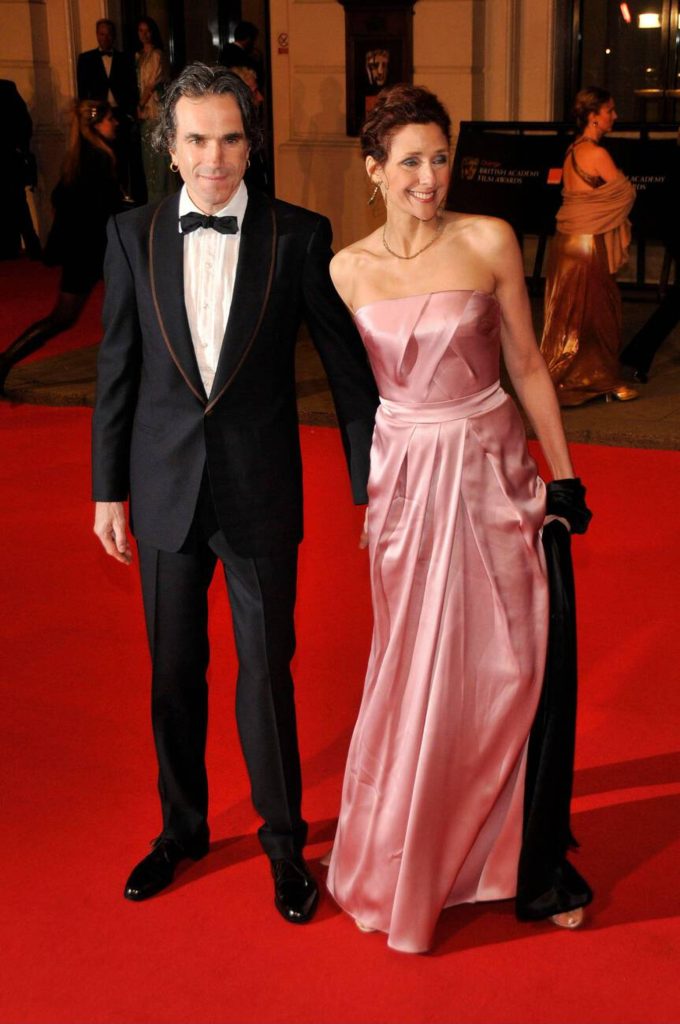
Day-Lewis has had two marriages. With his first wife, Isabelle Adjani he had a son named Gabriel-Kane (1995), a model who is also an actor on occasion. In 1996, he was married for the second time to actress Rebecca Miller. They have two children together: Ronan (born 1998), who is developing as a young film director/writer; and Cashel (born 2002).
The Day-Lewises divide their lives between two houses: one in County Wicklow, Ireland and another in New York City. Day-Lewis has always made it a point to protect his family from unwanted publicity. It is very unusual to see him out in public (he took a trip to Mallorca in 2025); occasionally you may see him taking a walk through the countryside in Ireland. He keeps a low-key wardrobe (e.g. tweed suits, boots, etc.), and carries himself with confidence and authority. He does not use any social media, grants interviews on a limited basis (only when there is some specific reason for doing so), and rarely attends film premieres or award ceremonies unless absolutely required.
Physical Presence
Daniel Day-Lewis will be 68 years old in 2026 (born 29 April 1957).
He is approximately 6’1-1/2″ tall.
He is very tall, slender, with gray hair. He still walks with great posture, moves with purpose — a testament to the discipline he had in each of the roles he played.
Net Worth
Daniel Day-Lewis’s estimated net worth at this time (2026), will likely fall into the range of $40-$60 million dollars based upon some of his selective high salary film engagements, residual income from such classics as “There Will Be Blood” and “Lincoln,” and smart investments. Mr. Day-Lewis has never pursued endorsement or other commercial opportunities. His financial freedom has provided him with the unique opportunity to say NO.
The Enduring Influence of the Discipline of Self-Restraint
At the end of 2026, while the film industry pursues a strategy of quantity — endless production, non-stop exposure — Daniel Day-Lewis represents a model that is distinctly different from the rest. Mr. Day-Lewis ascended to the pinnacle of his craft, walked away, and returned to pursue projects only where he felt there was something truly important about them.
Anemone may be a one-time engagement; he has given no indications of pursuing any further projects. His films continue to be studied by young actors who reference his techniques as a standard of commitment to their craft. However, he has never sought to create a body of work; rather, he has simply engaged in those works where he felt the material required his involvement, and then has withdrawn from the public eye so that the work can stand alone in the way it was intended.
In an age where people are sharing more than they ever have before, the self-restraint that he has demonstrated throughout his career is a radical concept. It serves as a reminder that sometimes true mastery is achieved not through more presence, but less.