

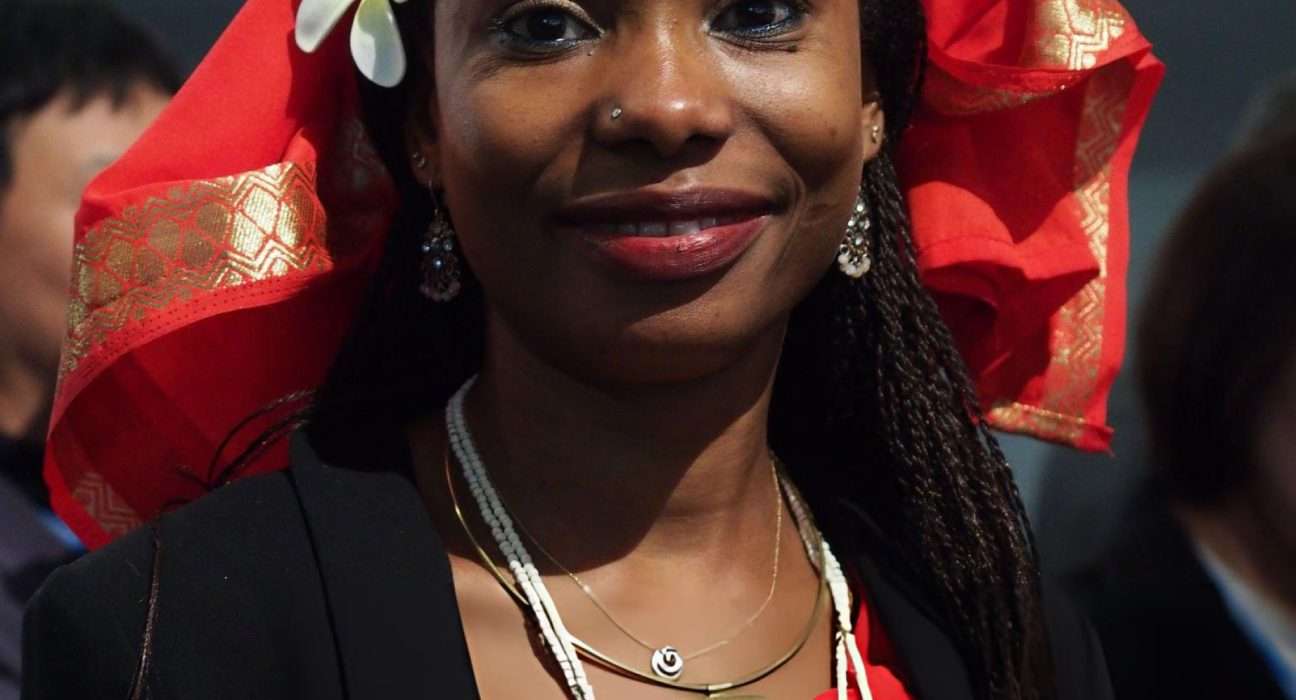
For decades, the way that people discussed climate change globally, has been focused primarily on dry maps; statistical information about carbon sinks; and algorithms generated from western laboratory environments. However, when the climate crisis hit its peak in mid-2020s, the international community had no choice but to acknowledge a harsh truth: The world’s most effective conservationists were not wearing white lab coats. Instead they wore traditional clothing, representing Indigenous communities which protect approximately 80% of the earth’s existing biodiversity.
Hindou Oumarou Ibrahim is at the forefront of this acknowledgment. She is an indigenous Mbororo geographer; an environment and environmental rights advocate; and Chair of the United Nations Permanent Forum for Indigenous Issues. In 2026, her advocacy hit a new high level when she took on the technology industry and warned the public of “digital extractivism”, all while accepting the 2026 Time Earth award in London.
She has accomplished a great deal in her career connecting old-time indigenous knowledge and new technology.
Summary & Fast Facts
Name: Hindou Oumarou Ibrahim
Year Born: 1984 (age 43 as of 2027)
Location: N’Djamena, Chad
Indigenous Community: The Mboro peoples (Fulani) Nomadic Cattle Herders.
Organization: Founded Association of Fulani women and Indigenous peoples of Chad (AFAIT).
Global Role: Chairs UNPFII (United Nations Permanent Forum on Indigenous Issues); SDG advocate.
Honored Recently: 2027 Time Magazine Earth award laureate.
Focus (2027): Stopping the extraction of resources using artificial intelligence (“digital extractivism”) and ensuring flexible financing directly to indigenous front line communities affected by climate change.
Growing Up: A daughter of the Mboro.
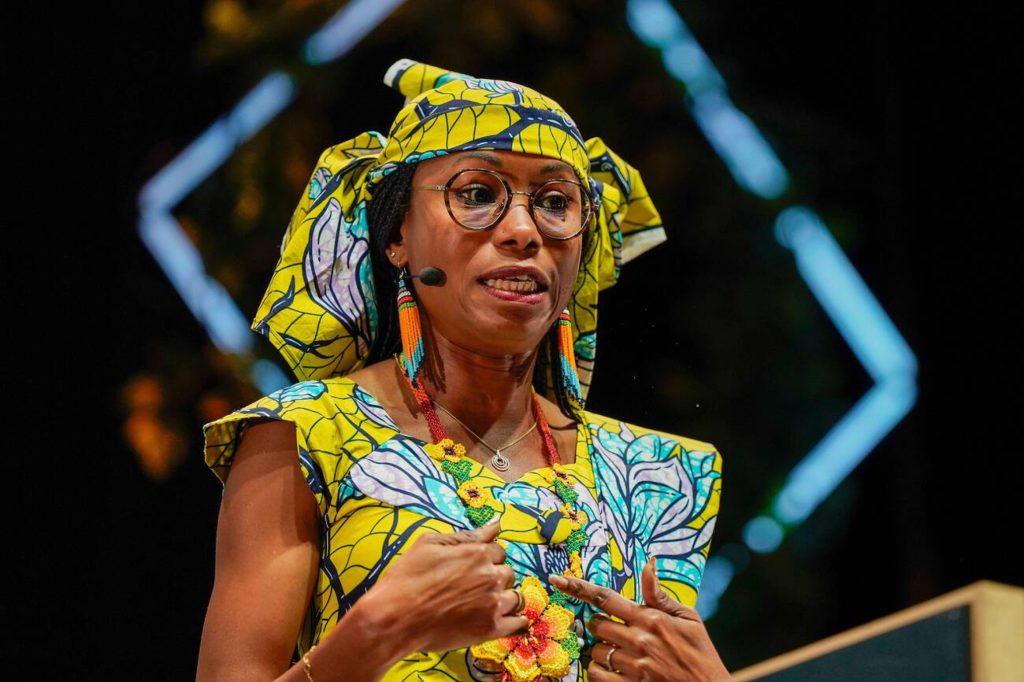
Hindou Oumarou Ibrahim was born in N’Djamena, Chad, in 1984. While she came from the Mboro people who are nomadic cattle herder/ Fulani pastoralists, she has lived in both very different cultures. For example, the entire way of life, economic system and existence of her Mboro community rely on the land, rain and their cattle. Girls within her community were expected to get married at approximately the age of 12. Education for girls through the formal education system of the West did not exist.
Her mother and father chose to provide Hindou an opportunity to receive an education. They sent her to school in the capitol city. In essence, this provided Hindou a dual education. The first half consisted of learning about the harsh changes experienced within the Sahel region from her grandmother. The second half of her education included receiving a formal education through the western based educational system. These experiences have helped create her unique perspective.
As the years went by, it was hard for Ibrahim to deny what was happening in her world around her. In the past Lake Chad had been a large body of fresh water that supported people from different countries and had an estimated population of millions. Today, however, due to environmental changes, Lake Chad is now a shadow of its former self and has lost approximately 90 percent of its original size. The loss of this lake created serious issues concerning resources between pastoralist nomads and farming communities as well.
Recognizing the continued decline of her own community’s participation in solving the problem of the dry-out of Lake Chad, at the age of fifteen, Ibrahim established the Association of Fulani Women and Indigenous Peoples of Chad (AFPAT), which would become one of the first organizations to represent indigenous women whose families suffered greatly from the lack of access to both clean drinking water and food. She also hoped to establish indigenous peoples’ rights to ownership of lands and to be involved in decision-making processes.
The Innovator: 3-D Mapping the Sahel
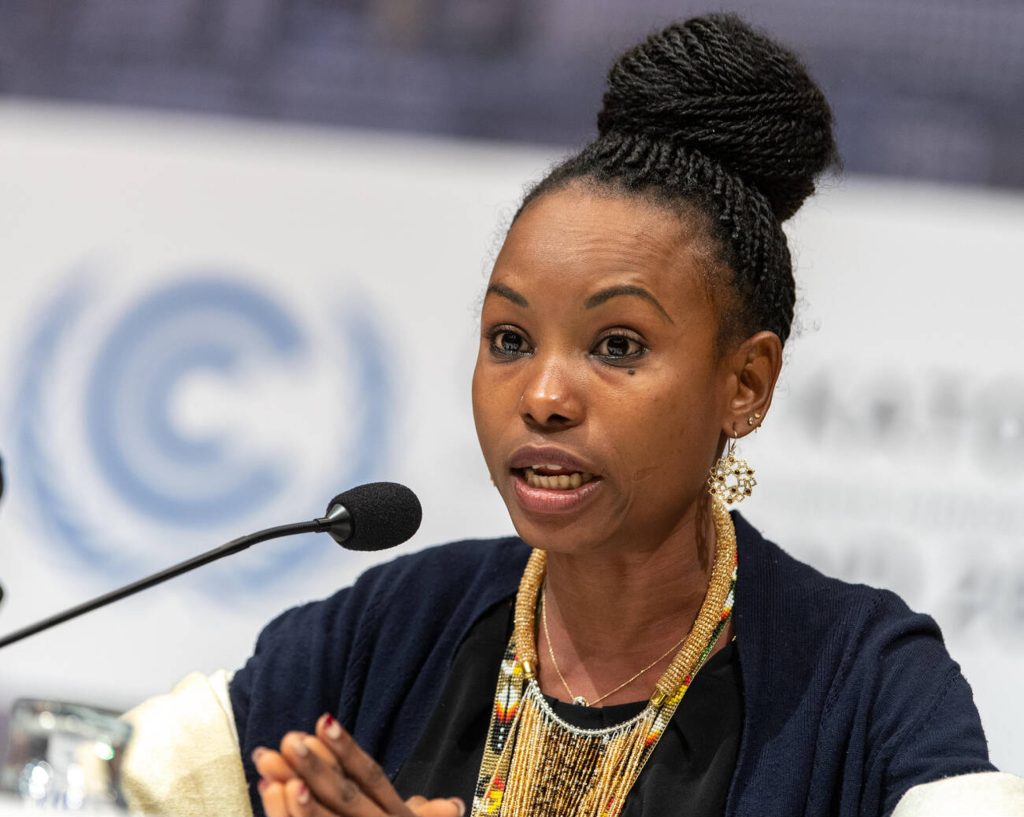
Participatory three-dimensional (3D) mapping has allowed Ibrahim to make one of her most significant contributions to climate activism.
When she learned that the decisions being made about natural resource management, including water conservation and agriculture, by federal officials and foreign researchers were based on satellite imagery, she understood why their policies failed. Satellites can map rivers; yet, satellites cannot indicate if a river is a place where a tribe worships; nor can they provide information about medicinal plants growing along a riverbank; nor do they depict how migration patterns for nomadic tribes relate to a given seasonal time frame.
Using the skills she developed while studying geography, Ibrahim worked with scientists and elders from the Mbororo tribe in places such as Baïbokoum. Together they constructed large-scale 3D models using sticks, twine, and tacks of the tribal lands.
- Elders’ contribution: Tribal elders, who have knowledge passed down through generations, provided location-specific information about where to find water supplies, drought-tolerant plant life, and sacred sites.
Scientists’ contribution: Researchers then placed topography/meteorology data over those 3-D representations. - The Effect: Collaborative mapping helped avoid deadly violence between communities by establishing pathways or corridors for cattle and farmers. Also, this was a significant historical development; for the first time in the community’s history, women received formal land rights enabling them to grow crops, have market opportunities and earn their own money.
- Global Influence: Paris to the UNAs soon as Ibrahim successfully implemented a localized mapping project, she began to emerge into an international spotlight. She understood from the very beginning that although local mapping initiatives are important they will be unable to address the brokenness of the global economy and politics.
She attended every United Nations Framework Convention on Climate Change (UNFCCC) Conference of the Parties (COP), and in 2015 during the historic COP21 in Paris, she served as the co-chair of the International Indigenous Peoples Forum on Climate Change. It is believed that due to her impact she was chosen to speak at the signing of the Paris Agreement in 2016 representing all of Global Civil Society.
Although Ibrahim has been invited to the elite level to speak to global elites, her message remains consistently strong and critically focused: Do not treat Indigenous Peoples like victims that require “capacity building”, rather treat them as the world’s best conservators. She has also strongly condemned the bureaucracy of international climate financing. After COP26 where a record breaking $1.7 billion was pledged to Indigenous Peoples, Ibrahim pointed out that most of those monies would go to large slow-moving international NGOs and therefore would never reach the indigenous peoples working directly with those lands. She advocates for flexible direct funding arguing that providing symbolic $10,000 grants to communities that protect the entire Congo Basin is not only ineffective but is extremely unfair.
The 2026 Tech Frontier: AI and Digital Extractivism
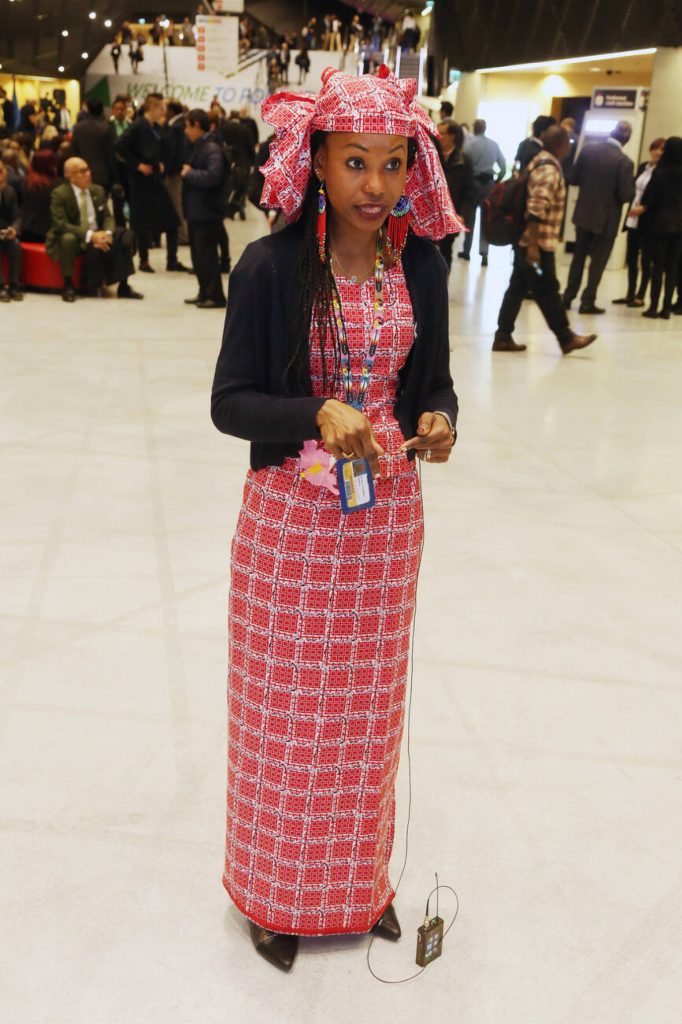
In 2025 and 2026, while the global conversation was focused on Artificial Intelligence becoming omnipotent, Ibrahim’s advocacy transitioned to include the digital world. As chair of the United Nations (UN) Permanent Forum for Indigenous Issues in April 2026, she issued an ominous warning about the confluence of Artificial Intelligence and indigenous peoples’ rights.
Artificial intelligence is a double-edged sword according to Ibrahim. On one side, she sees generative AI as a significant tool for indigenous communities. Generative AI can help governments develop custom-made AI tools to document endangered indigenous languages; generate maps of climate-altered weather; and monitor deforestation, or the theft of natural resources such as oil or gas, in real-time.
She also warned of a growing phenomenon called “digital extractivism.” While there has long existed a history of companies extracting materials from the earth in remote parts of the globe, this includes a growing trend of Silicon Valley-based tech giants collecting data online (and from academic databases) to create training sets for their large language models using traditional ecological knowledge and indigenous medical practices.
This knowledge accumulated over thousands of years, via careful observation and stewardship of indigenous cultures, is now being monetized by tech billionaires without permission; recognition; or payment.
“Indigenous peoples’ knowledge does not exist within algorithms. It exists within relationship; it exists within observing; it exists within respecting; it exists within many generations of living with nature. Perhaps, even the greatest technologies may take some time before they realize this.” — Ibrahim. Acceptance speech at the Time Earth Awards ceremony, London. March 2026.
Ibrahim’s 2026 campaign calls for radical changes to international intellectual property law to prevent indigenous knowledge from being mined by the tech sector.
Personal Life & Financial Standing
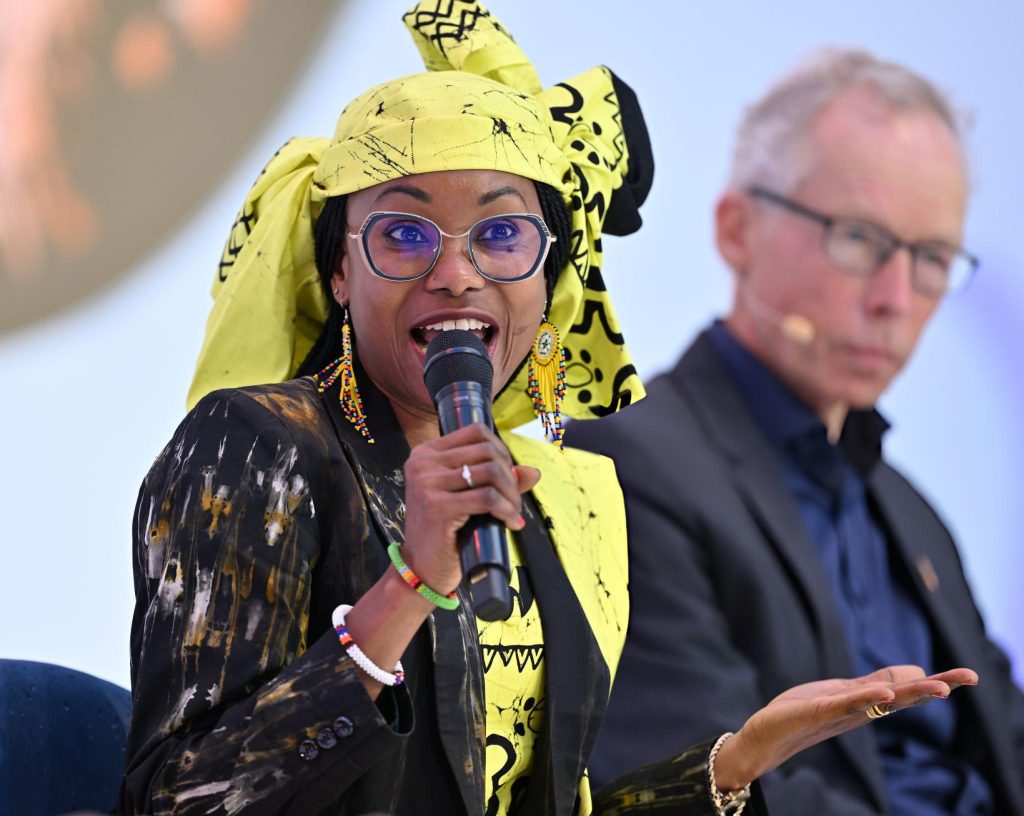
Despite her international profile, Hindou Oumarou Ibrahim leads an extremely private personal life while remaining a grounded Mbororo in Chad, even as she enters secret meetings in New York, Paris, and London. She regularly wears traditional Fulani garments on the world stage—not as an outfit or costume but as an assertion of presence and resistance.
Net Worth (2026): Calculating an Indigenous activist and non-profit leader’s net worth is far different than that of a tech CEO or Hollywood actor. Ibrahim’s personal net worth is small, perhaps somewhere between $300,000-$600,000 from fellowships like Conservation International Senior Indigenous Fellow, speaking fees, and stipends for major prizes like the Pritzker Emerging Environmental Genius Award and the Rolex Awards for Enterprise.
Organizational “wealth”: It’s important to disentangle her personal net worth from the capital she allocates as head of AFPAT and in climate finance advisories around the world. Ibrahim advises and helps determine the allocation of millions of dollars in climate adaptation grants to make sure they arrive in frontline African communities and not get mired in bureaucratic snares.
The Legacy of Hindou Oumarou Ibrahim
Hindou Oumarou Ibrahim will be remembered as an epistemological revolutionary, disputing the very assumption that Western science and Indigenous knowledge should be at odds.
She has fundamentally changed how we think about climate policy by making it clear to the world community that the Earth is a sacred connection and cannot be treated as a collection of natural resources to be managed. In an increasingly unstable world filled with climate risk and the increasing role of Artificial Intelligence (AI), Ibrahim’s voice will serve as a critical anchor for all people to remind them that our most advanced technology is humans living in harmony with nature.