
Childhood in Florence
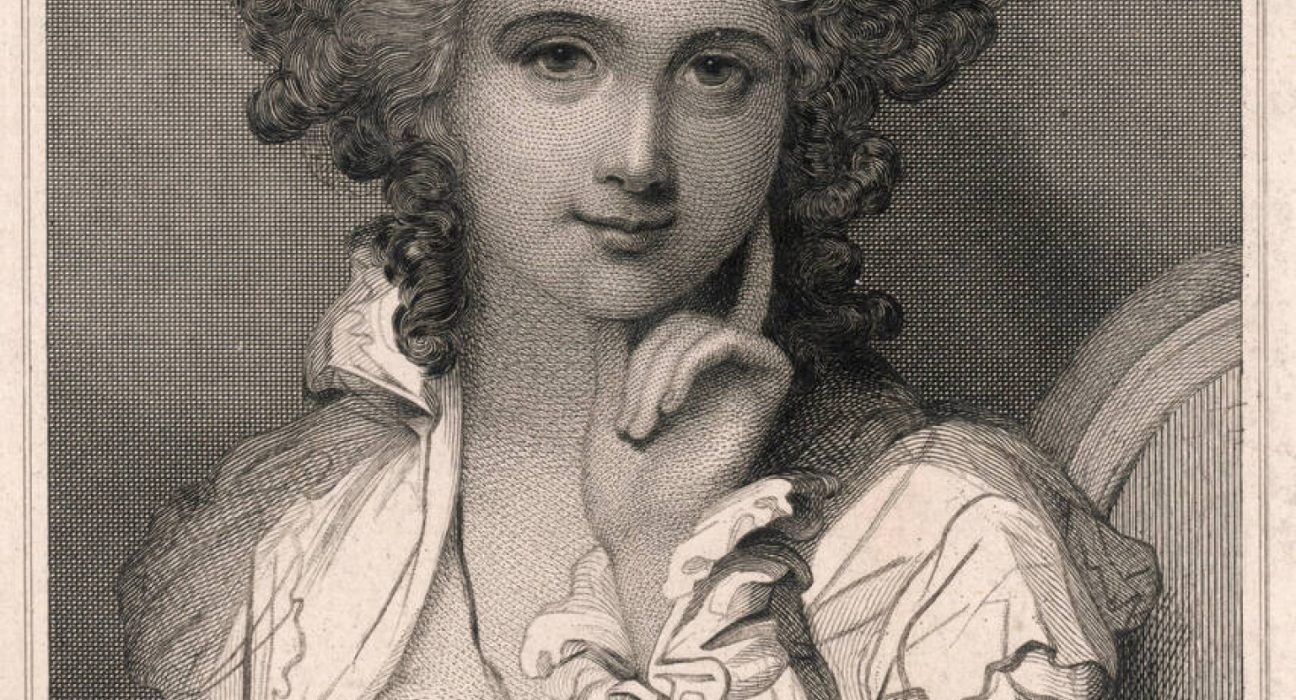
Maria Luisa Caterina Cecilia Hadfield, or Maria Cosway, was born on June 11, 1760 in Florence, Italy to parents of English origin; both were innkeepers who catered to travelers on the Grand Tour. As a child, Maria suffered through one of the most tragic events that can occur in a family when a crazed nurse committed murder on several of her siblings, making Maria the only sibling to survive the massacre. She was raised in the Catholic faith, and due to her exceptional artistic and musical talents, she received an education in the convent and frequently copied works by Old Masters at the Uffizi Gallery. At just 19 years old, she was voted into Florence’s prestigious Academy of Design.
Marriage and life in London
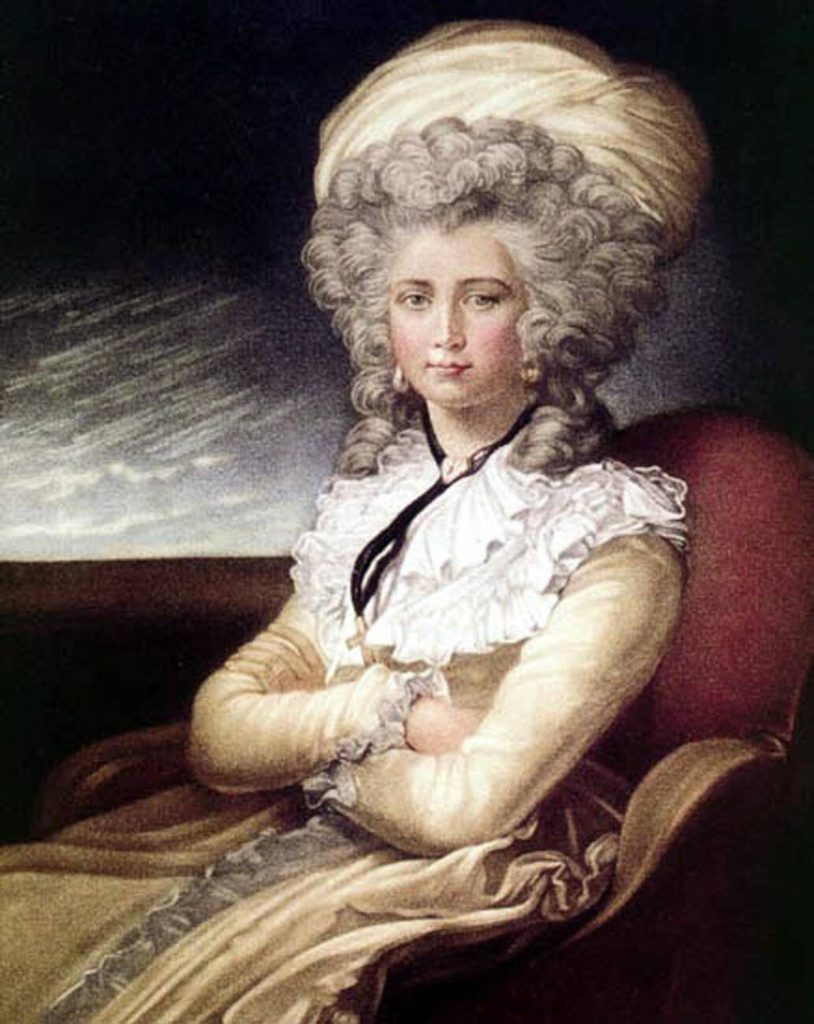
Maria moved to London in 1778, after her fathers death, along with her mother, with many connections to artists that were well known in society (such as Angelica Kauffmann). In 1781, she married Richard Cosway, a portraitist who was 20 years older and principal portraitist to the Prince of Wales. It is believed that this marriage was largely one of convenience, but it did allow her entry into high society and the fashionable world of London. The Cosways created a salon at their home, which was located at Schomberg House, on Pall Mall. This salon became a place where people could go to hear music played on instruments like the harp and organ, or to see performances on the stage, or even to just sit and talk. Many people came to the salon including royalty, politicians, artists, musicians and writers. Maria also displayed over 40 works of art, mostly mythological scenes and portraits, at the Royal Academy between 1781 and 1801.
Although the marriage gave her access to the upper class and artistic community in London, it was far from perfect. Richard Cosway had many affairs during the marriage and would often restrict Marias career. He would not let her sell her work as a professional artist because he did not want to be embarrassed by it. The couple eventually had a daughter, Louisa, which was a source of joy for both Maria and Richard.
Historical meeting with Thomas Jefferson
In 1786, Maria visited Paris, and it was there that she met Thomas Jefferson, who was the American Minister to France, through artist John Trumbull. The two of them found common ground in their love of art, architecture and music, and began spending a lot of time exploring the city of Paris together. When Maria left Paris, Jefferson wrote a very long letter to her called “Dialogue Between My Head and My Heart”, which revealed how much emotion she had caused within him. After that letter, the two of them kept in touch for many years and exchanged letters about art, philosophy and other subjects.
Maria’s Later Life and Italian Legacy as an Educator
During the first years of the nineteenth century, after separating from Richard, Maria desired to be more independent; this is why she moved to France then later to Italy. From 1803 through 1809, Maria managed a progressive all-girls school in Lyon. The school taught students the arts, foreign language skills, and individual moral development —a very new way of educating for the time. In 1812 Maria moved to Lodi, where she purchased a convent and began her school, known today as the Collegio della Beata Vergine delle Grazie, which was named for her. The school educated young women from both the nobility and bourgeoisie, and was unique in providing academic programs for girls, while also providing them with training in music, painting, dancing, and religious studies. After Richard’s death in 1821, Maria sold off most of Richard’s artwork in order to raise money for her school. She spent the rest of her life increasing and maintaining the school. Maria Cosway died in Lodi, Italy, on January 5th, 1838, at the age of seventy-seven. She was buried in the church next to her school, and today the buildings she owned are home to the Fondazione Maria Coswa.
A Lasting Impact
Maria Cosway was a woman of many talents including an artist and a musician that lived through very restrictive social times; she was also the inspiration for the love of one of America’s founding father’s as well as a pioneer in education that helped advance women’s education and their abilities to express themselves creatively. From her early days living in a convent in Florence to establishing an educational institution in Italy that is still standing today shows Maria’s great strength, creativity and resolve to create a brighter future for countless generations of young women.